

Beige is over
How artists, musicians, and activists are reclaiming colour, heritage, and power from Eurocentric aesthetics

Hi lovely Substack family,
I am FINALLY back again. When I started my Substack last year I fully intended to post every week, and I managed to for a long time. But then no inspiration, other projects got in the way, a dislocated finger happened, and it became a daily struggle of planning to write but small admin tasks getting in the way. But I guess that’s life.
To rest that finger, I’m moving to a bi-weekly cadence. Anyhow, happy to see you all again! Hope your 2026 started well. Mine certainly did - last year I ended with a BANG, releasing my Cultural Signals 2026 report. If you haven't downloaded it yet, you can do so here - it's packed with signals I've been noticing in the world.
Over the coming weeks I’ll be unpacking each signal here on Substack with added examples, cause I want to offer you something unique and special. Here we go with the first signal:
Decolonisation & Cultural Reclamation
With the far right rising and capitalism’s beigeness boring us into a sea of sameness, a counter-movement is emerging: culture as resistance and a voice against. For me this signal isn’t just about celebrating heritage, it’s actively speaking up against neo-colonialism, imperialism, and challenging whose aesthetics are premium, what stories get told and who profits.
For years European minimalism was seen as ‘sophisticated’ while colour from places like India, Latin America and MENA was seen as too much. Northern American music dominated music and culture, and even if brands or music got space, it was often in the jacket of European or North-American aesthetics.
But not anymore, people are speaking up, people are embracing their heritage and reclaiming it, and using it as a voice.
The whole Pantone colour of the year drama
Anyone who has lived on the internet in recent months surely hasn’t missed that Cloud Dancer was called the colour of the year for 2026 by Pantone, and the discussion that followed. They said the colour was chosen cause it’s soft, symbolising calm, serenity, and new beginnings, offering a blank canvas for creativity in a chaotic world.
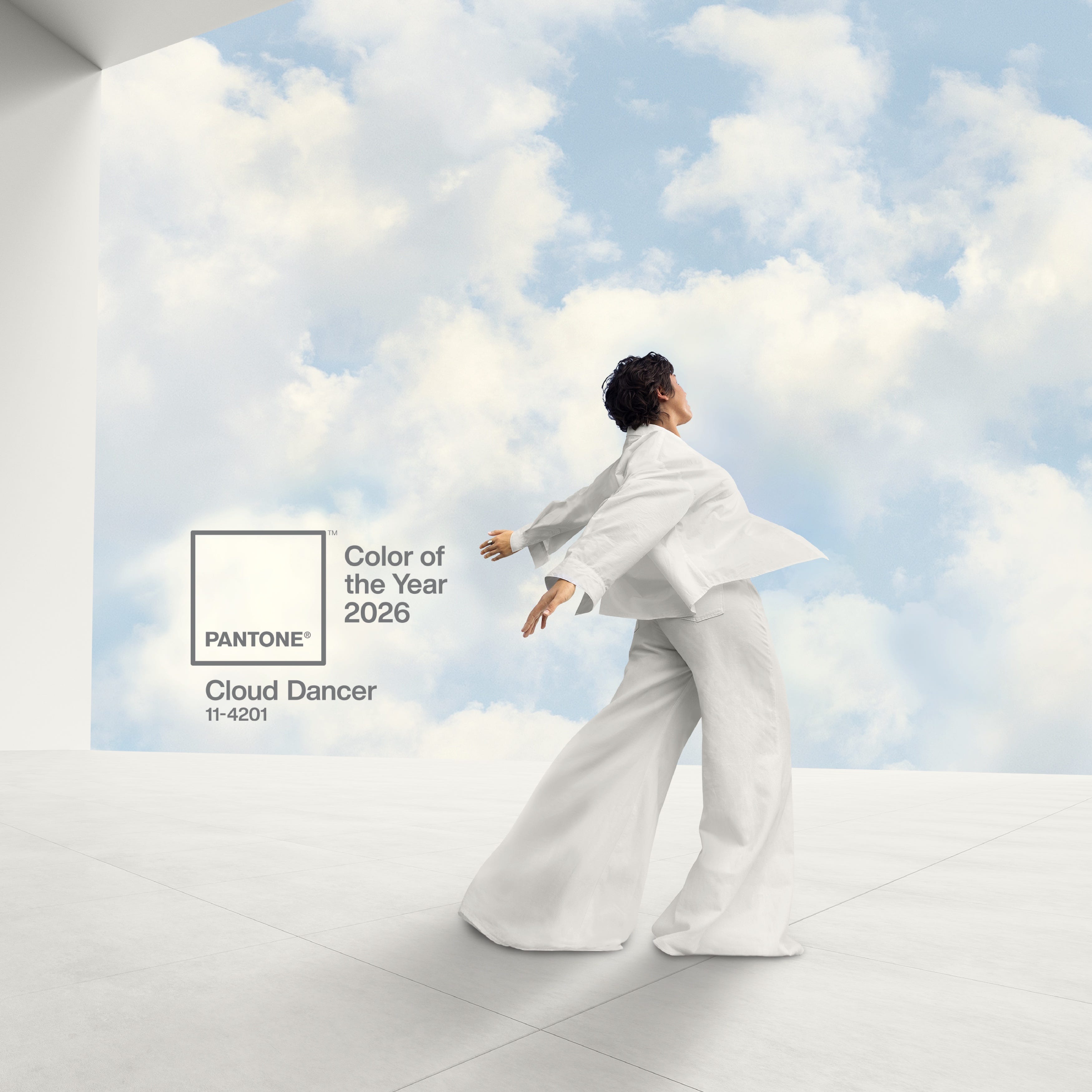
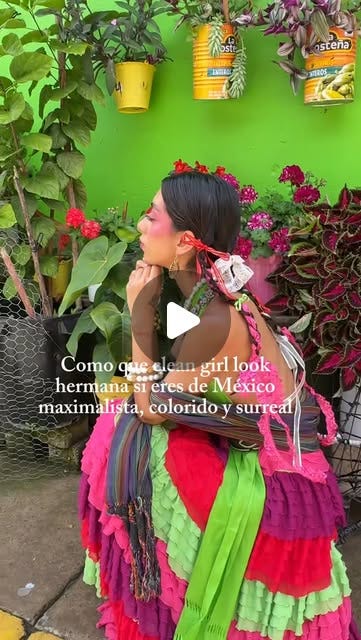
But like, as one Indian influencer pointed out, choosing white as colour of the year when maximalism and bright colours have been blowing up makes no sense;
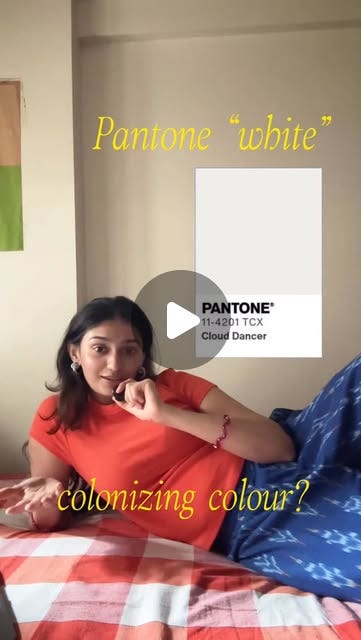
And many people don’t relate to white as serenity and calm, but rather connect it to a Eurocentric point of view of what is considered beautiful, aesthetic or premium. A direct reflection of a colonial mindset where Europeans decide what is beautiful and worth our attention, and where a maximalist aesthetic that is bright and colourful is rejected or only accepted when presented through a European lens.
Even when you read Pantone’s own description, you can’t mistake the Eurocentric perspective: “White. The Purest of the pure. Billowing clouds. The white dove of peace and freedom... Unsullied, divine, pristine, traditionally the color of clothing for babies and brides.” Like, not all brides wear white? And there are many people who probably won’t consider white as a pure colour that brings peace.
The backlash came from everywhere. I’ve seen responses from the Indian community, the African diaspora, Latin American countries. All saying: pristine white spaces feel far away from the messy and colourful homes most people actually live in, the beautiful maximalist and embellished fashion that is been breaking through the noise of the sea of same beigeness. And last but not least, positioning white as aspirational is tone-deaf in the current conversations about race and representation.
For me, this whole discussion is the signal. People are no longer accepting a Eurocentric view of what’s beautiful. They’re reconnecting to their roots and rejecting the idea that minimalism is somehow more sophisticated. And they’re doing it through culture - fashion, music, art. Here’s how:
Fashion: Saja Kilani and The Voice of Hind Rajab
It goes without saying that I’m a huge fan of Saja, even more since I interviewed her (see at the bottom).
Saja brings the story of young Hind Rajab to life in the docudrama The Voice of Hind Rajab, about the dispatchers trying to rescue the Palestinian girl trapped under fire in Gaza. The film, by Kaouther Ben Hania, has been received with acclaim and standing ovations at festivals, drawing attention to the ongoing horrors in Gaza.
What I want to highlight is how Saja used the red carpet moments to speak up. In her own words: “Sometimes fashion says what words cannot”.
At the Golden Globes she wore a custom embroidered dress by Reema Dahbour, featuring a tatreez amulet known as the Hijab, which sat as a necklace. Traditionally, women embroidered these as acts of protection, sewn by hand. This one symbolised the bond between Hind and her mother, and the strength Hind embodied even as a child. The colour is symbolic too - black represents mourning as well as resilience. She finished the look with earrings by Tamr Henna, inspired by Palestinian embroidery art. As Tamr Henna described it: “For us, jewellery is more than adornment. It is a quiet way to tell who we are, to carry memory, craft, and identity through beauty.”


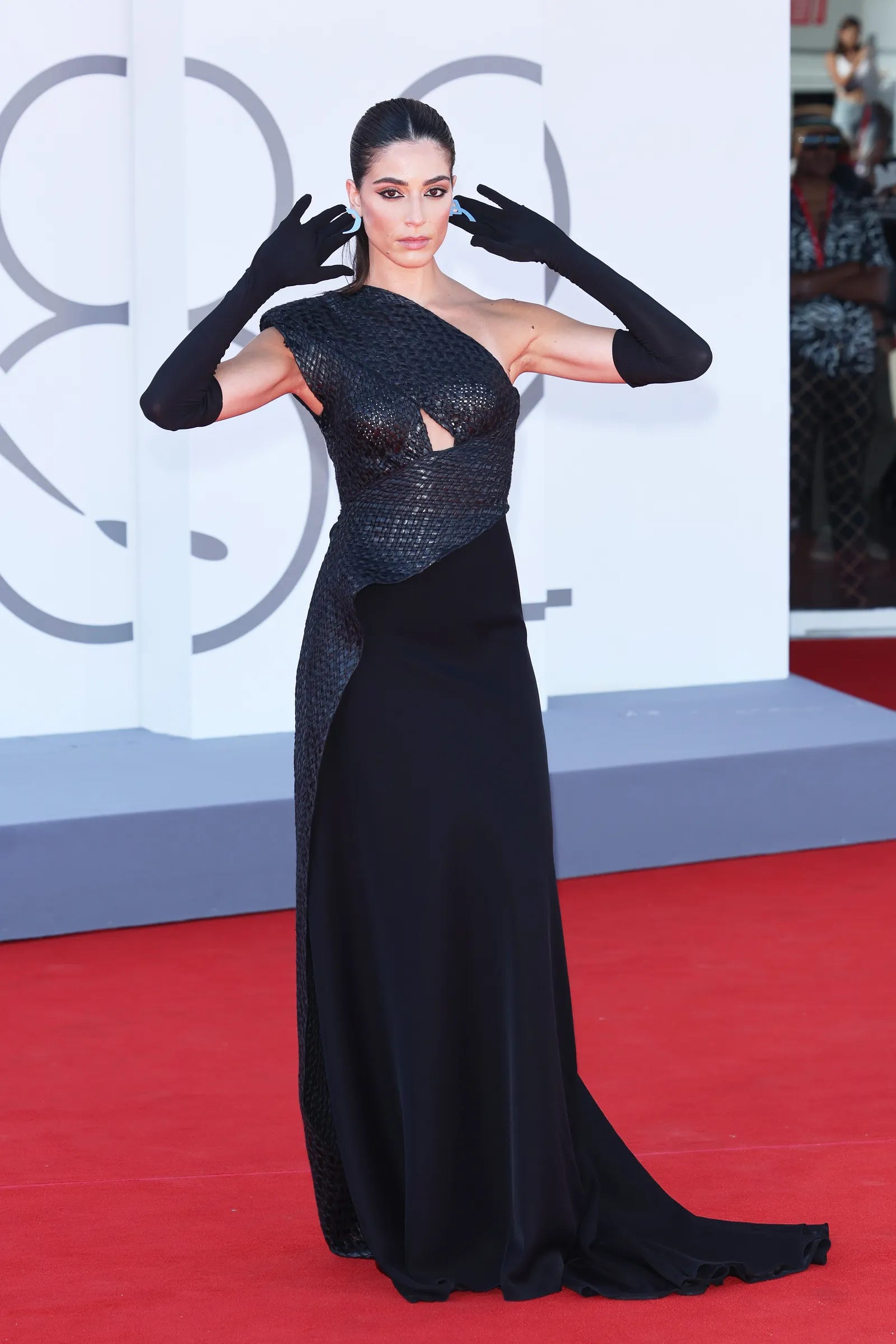
At Venice Film Festival, Saja wore a 12-foot custom dress by Farah Hourani, symbolising the 12 days Hind’s body remained in the car - each foot of leather marking a day without peace. She wanted to embody the warrior side of Hind that held onto hope till the very end. A single Arabic 12 was embroidered on the glove, paired with Hind Rajab’s Arabic initials
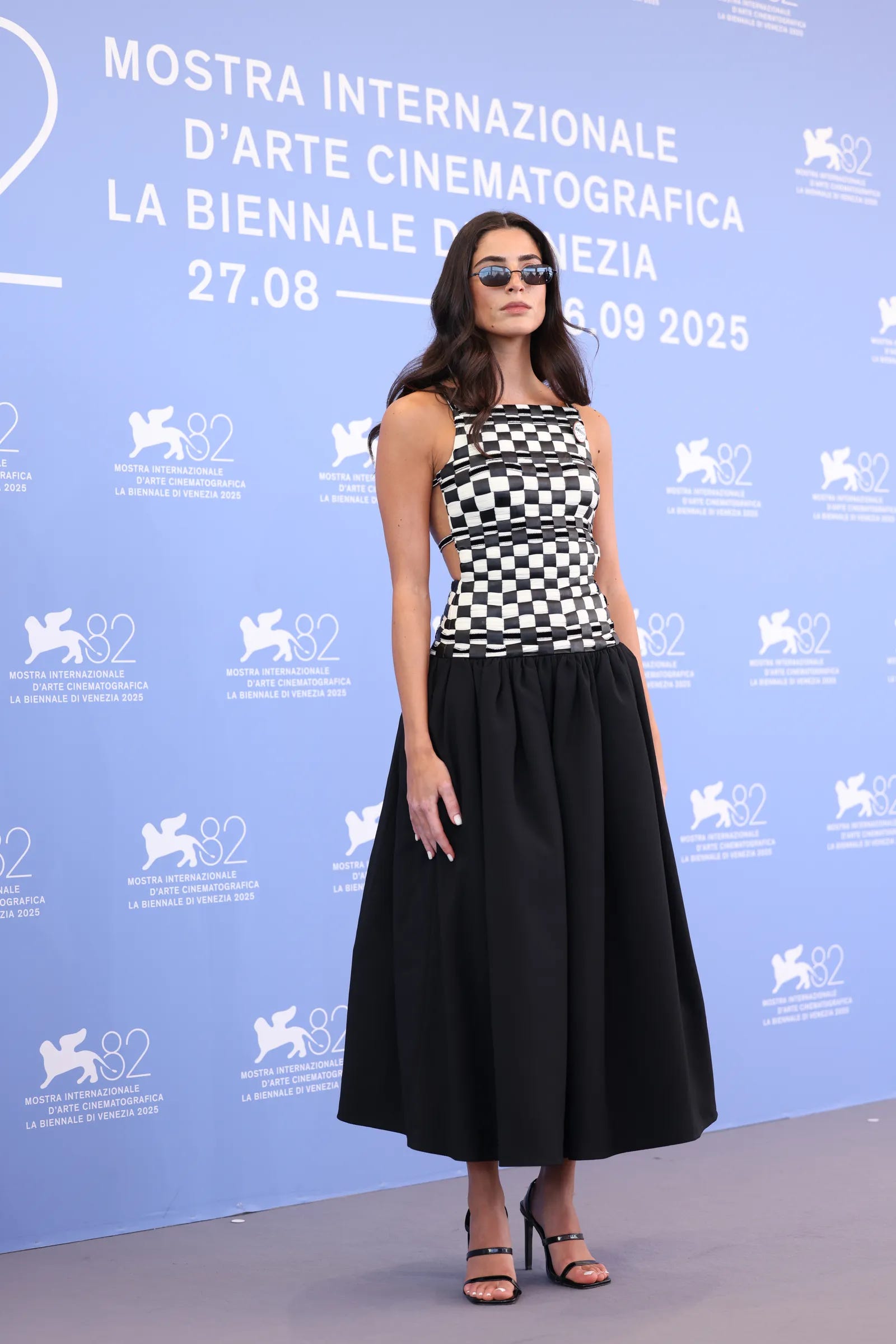
At La Biennale di Venezia conference, she wore a Nafsika Skourti dress with a checkered black-and-white pattern reminiscent of the keffiyeh, the iconic Palestinian scarf. A subtle nod to cultural identity and solidarity, keeping the roots visible on one of the most prestigious stages for film.
At Toronto International Film Festival, she wore “The Veil of Silence” dress by Reema Dahbour x Farah Hourani - a structured bodice that covered her mouth, a metaphor for the silencing of innocent voices. On her Instagram Saja wrote: “This custom dress carries the weight of silence. A body present, but a voice denied.”
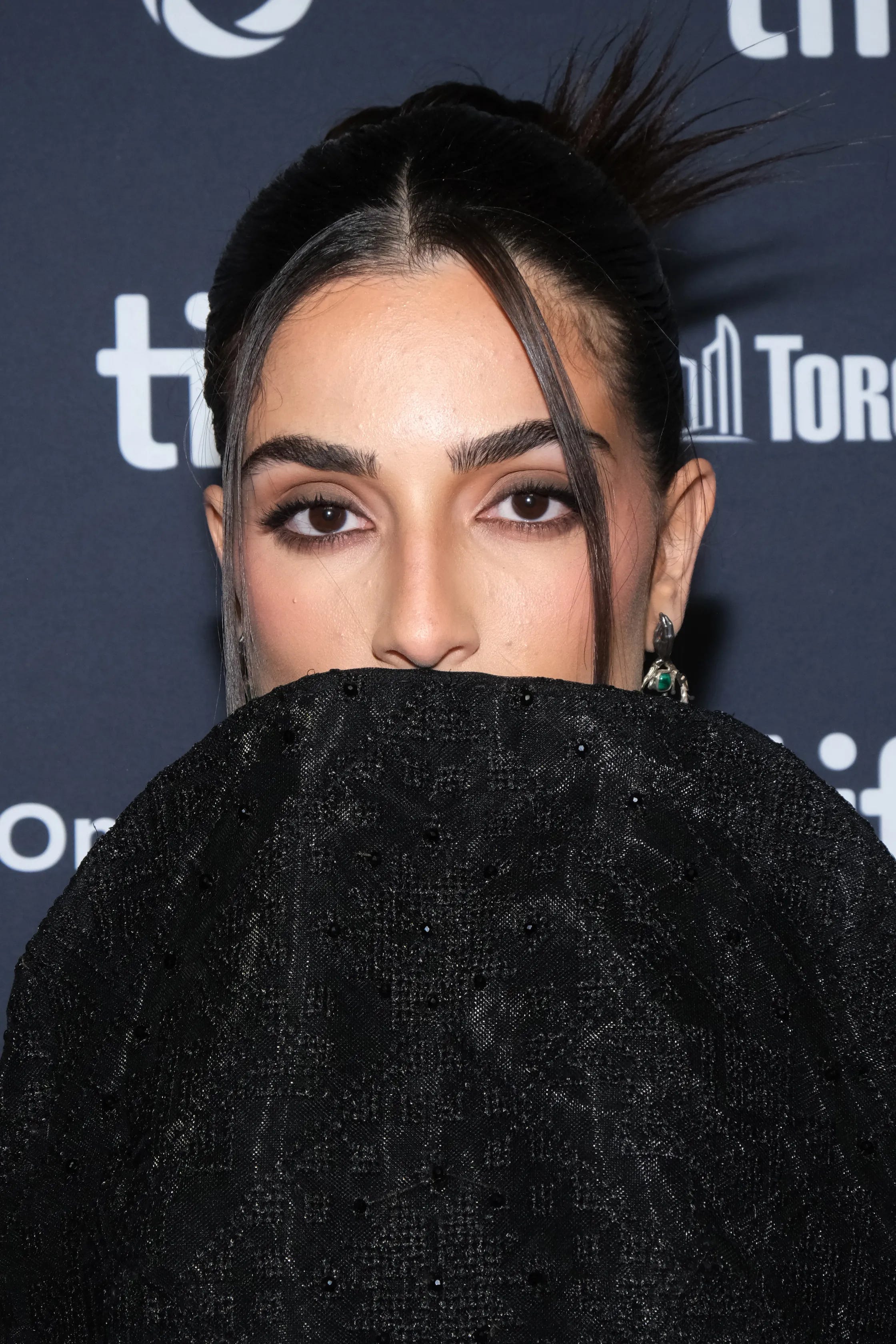
All the designers Saja wore are Palestinian - a statement on its own. Each design incorporated Palestinian traditions on a global stage, and each asked for attention for Gaza and Hind. This is what I mean by cultural reclamation as resistance.
I also really enjoyed this short interview at the Golden Globes by Tef Pessoa, where they talk about being human beings (which is sad to even say). I loved that she asked about Palestinian joys and how they lit up about the topic, not just celebrating suffering but also the beauty that different cultures have:

Music: Nusantara Beat
I recently discovered Nusantara Beat through 3 voor 12, an Indonesian psych groove band from Amsterdam. For those who maybe don’t know, Indonesia is a former Dutch colony ruled as the Dutch East Indies. A history that when I went to school was widely celebrated as the golden age of Dutch trade, trading spices. Indonesia became independent in 1949 after centuries of exploitation and forced labour.
Except for Michaal Joshua, the bassist who was born in Java and moved to the Netherlands at 15, the whole band was born in the Netherlands as second or third-generation Dutch Indonesians. The band was founded as a deliberate way for each member to dive into their shared cultural lineage.
They decided to sing in Indonesian, initially covering classic Indonesian songs, which in the beginning was scary as not everyone spoke the language fluently. The band’s music melts psych rock, folk, surf music and funk with Indonesian styles and instruments like Javanese and Balinese gamelan percussion.
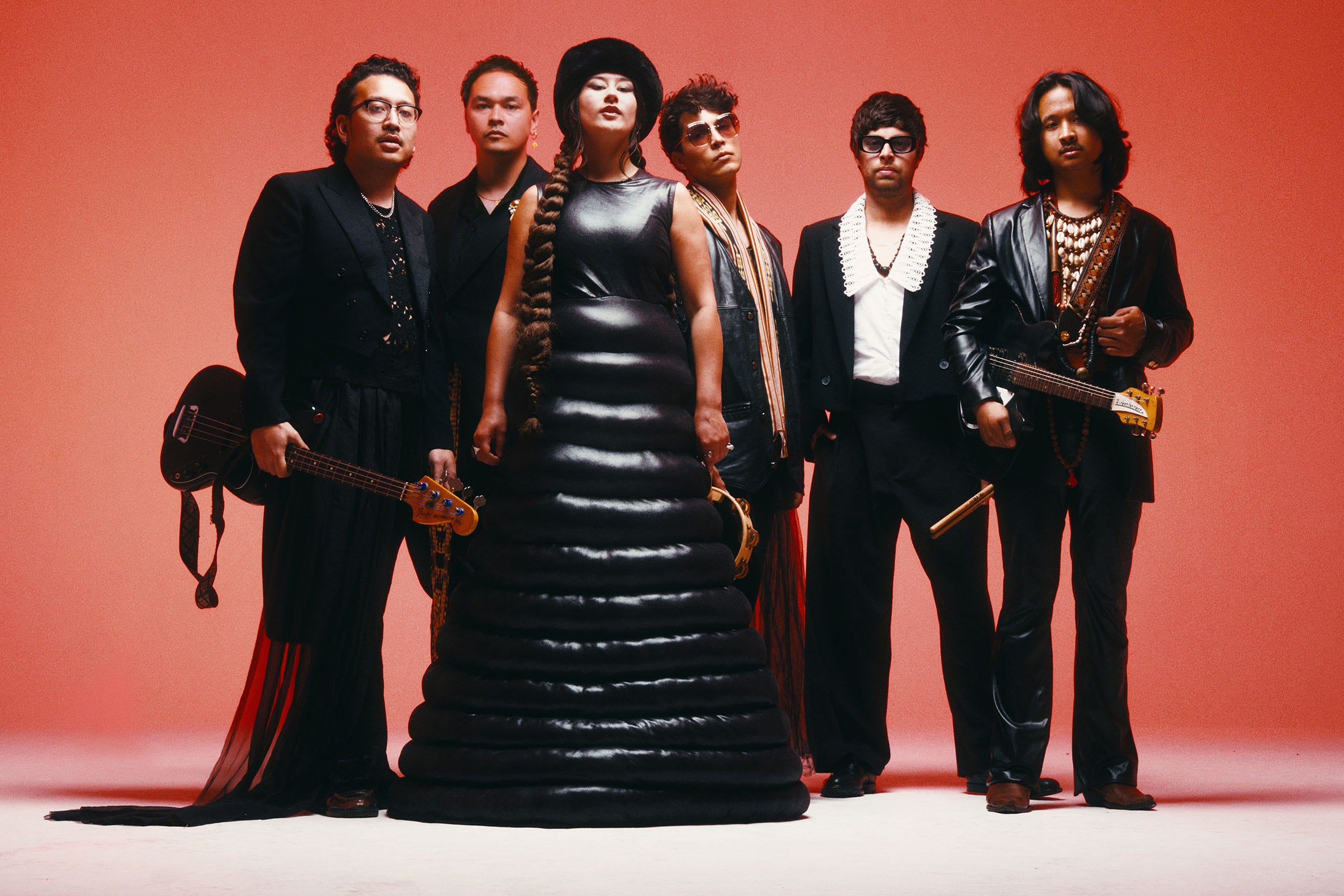
They’ve been attracting attention in Europe and have gained a strong following in Indonesia. For me, growing up in the Netherlands with many Indonesian family members married into our family, this is the first time I see a band like this, especially for young people. And it’s interesting how they’re mixing their Indonesian roots with Western music.
I featured an interview for Omroep Zwart below (in Dutch) where the band talks about how many of their parents never taught them the Indonesian language because it was so important to be Dutch and integrated. The fact that they’re learning their language, singing in their language, is a beautiful sign of people taking back their power.
For Berliners reading this, they play the 18th of Feb in Prachtwerk. And for the rest of my Europeans, find their tour dates here.
Music: TÄRA
To be honest it was hard to choose who to feature here, cause there’s a range of musicians connecting back to their Palestinian roots and being very successful doing so - Saint Levant, Zeyne (going on a European tour soon), Lina Makhoul. They’re all equally cool, but someone who caught my attention recently is TÄRA. Both for her music and her style.
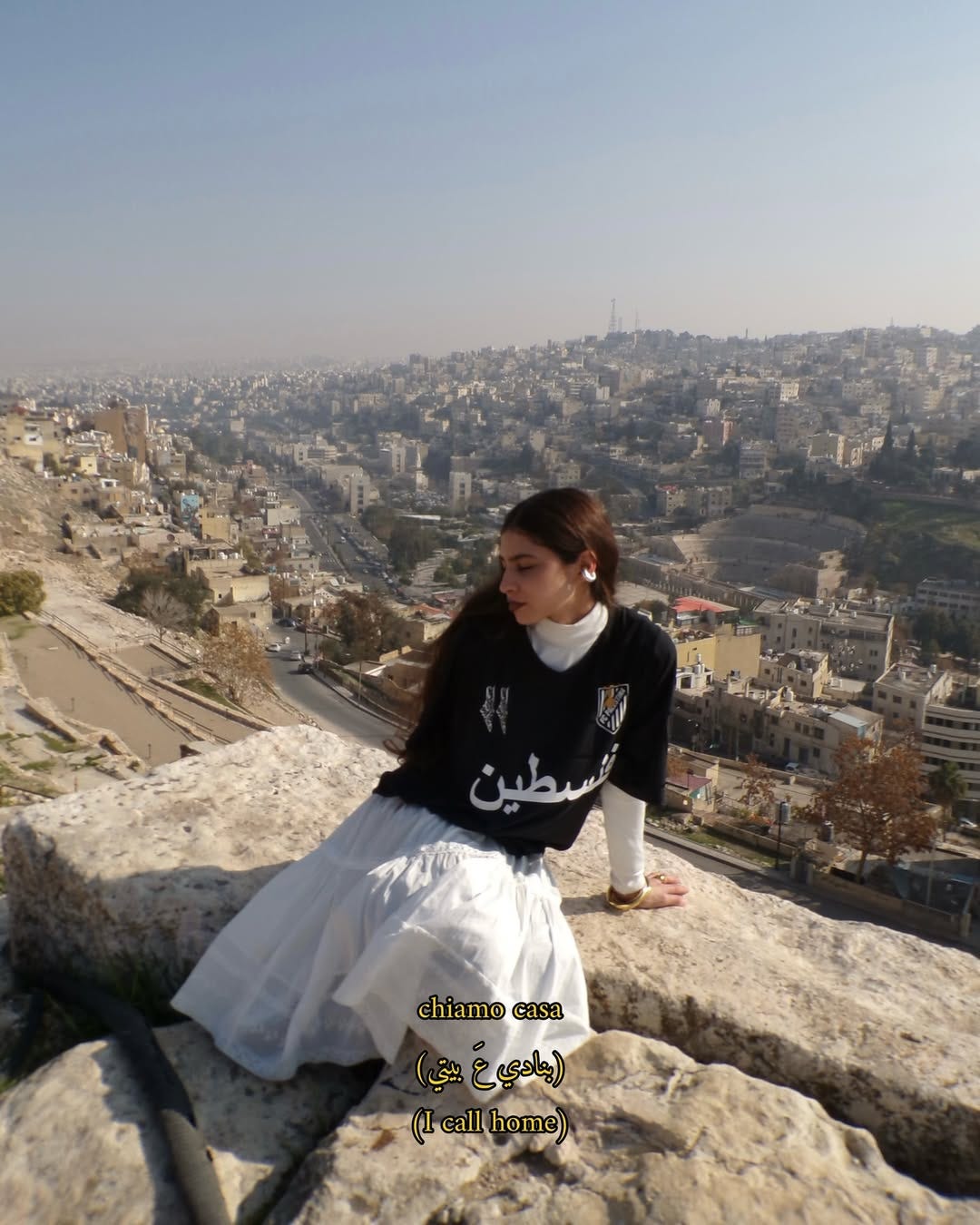
Image Tära Instagram.
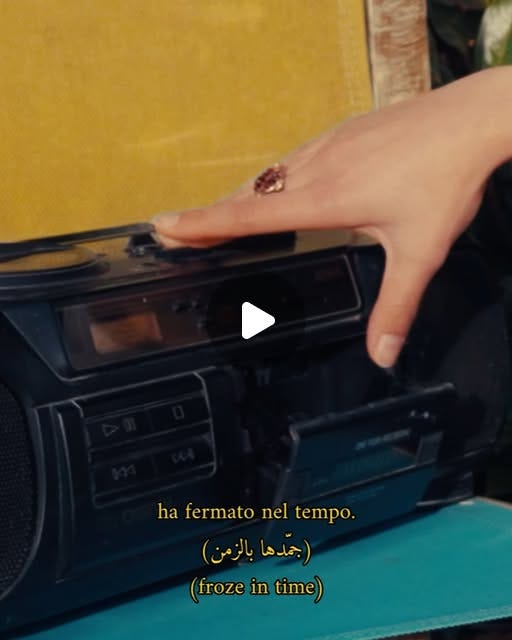
She’s been on a mission to bring Arab music to Italy. She sings about being cut in half between two worlds, two cultures, not knowing where to belong. A feeling I can imagine many immigrants or children of immigrants can relate to.
She caught my eye for her aesthetic - I can see how her fashion incorporates Palestinian elements like the lace details in her jacket. But also how she adds subtitles in English, Italian and Arabic to make the music accessible to a wide audience.
TÄRA is redefining R&B with her groundbreaking Arab’nB style, blending Arabic influences with modern R&B sounds. After a remarkable debut on X Factor Italia 2024, where she showcased her cultural fusion and earned millions of views, she’s a rising star. For me, a signal of how we’re no longer centring European or North American music. Space is being taken by artists embracing their roots.

Art: Sid Pattni
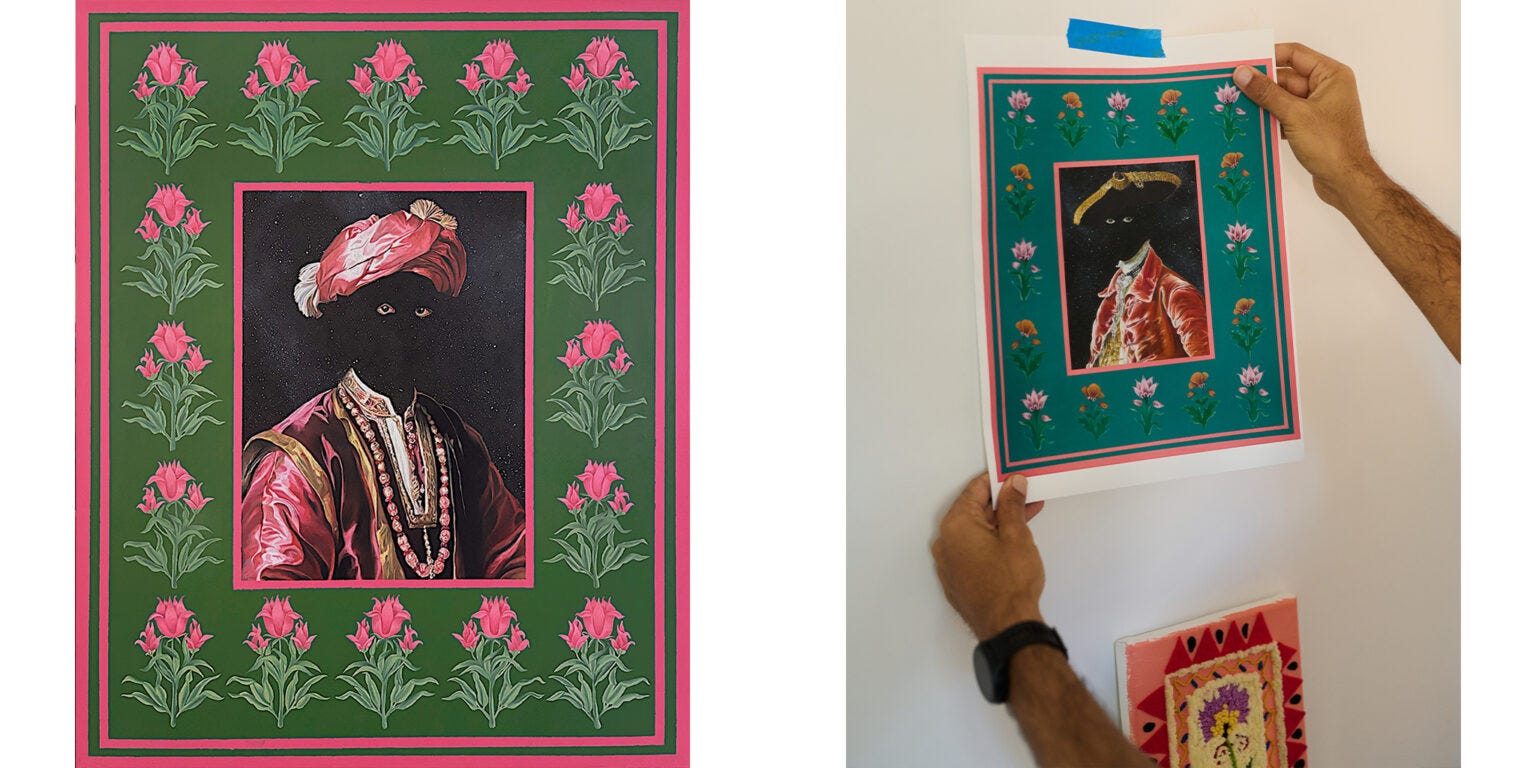
I discovered these paintings through Diet Prada, one of my favourite accounts to learn more about South Asian culture. Sid Pattni is an Australian artist of Indian descent who unpacks identity, culture and belonging within a post-colonial framework through his art. He works primarily in painting and embroidery.

Growing up he was surrounded by rich but conflicting visual languages - Bollywood posters and Indian textiles alongside Western art. Painting became his way to process the dissonance of navigating multiple cultural identities. His work investigates how external projections through the colonial gaze have been internalised by communities.
One of the most powerful pieces I saw was the Archibald piece, a self-portrait. He started it to explore what it means to be seen, as he felt his identity was often misrepresented or completely erased. He created a piece showing historical portraiture but stripped away the face, leaving only the eyes and garments.
Music: Xiuhtezcatl Tonatiuh
I think in music I haven’t seen a greater example of resistance music than Xiuhtezcatl’s work. With “Basta Ya,” he created a super strong anti-ICE anthem. The song pairs lively piano-driven pop with direct, politicised lyrics that insist undocumented people belong on the same soil as everyone else and demand dignity and protection.
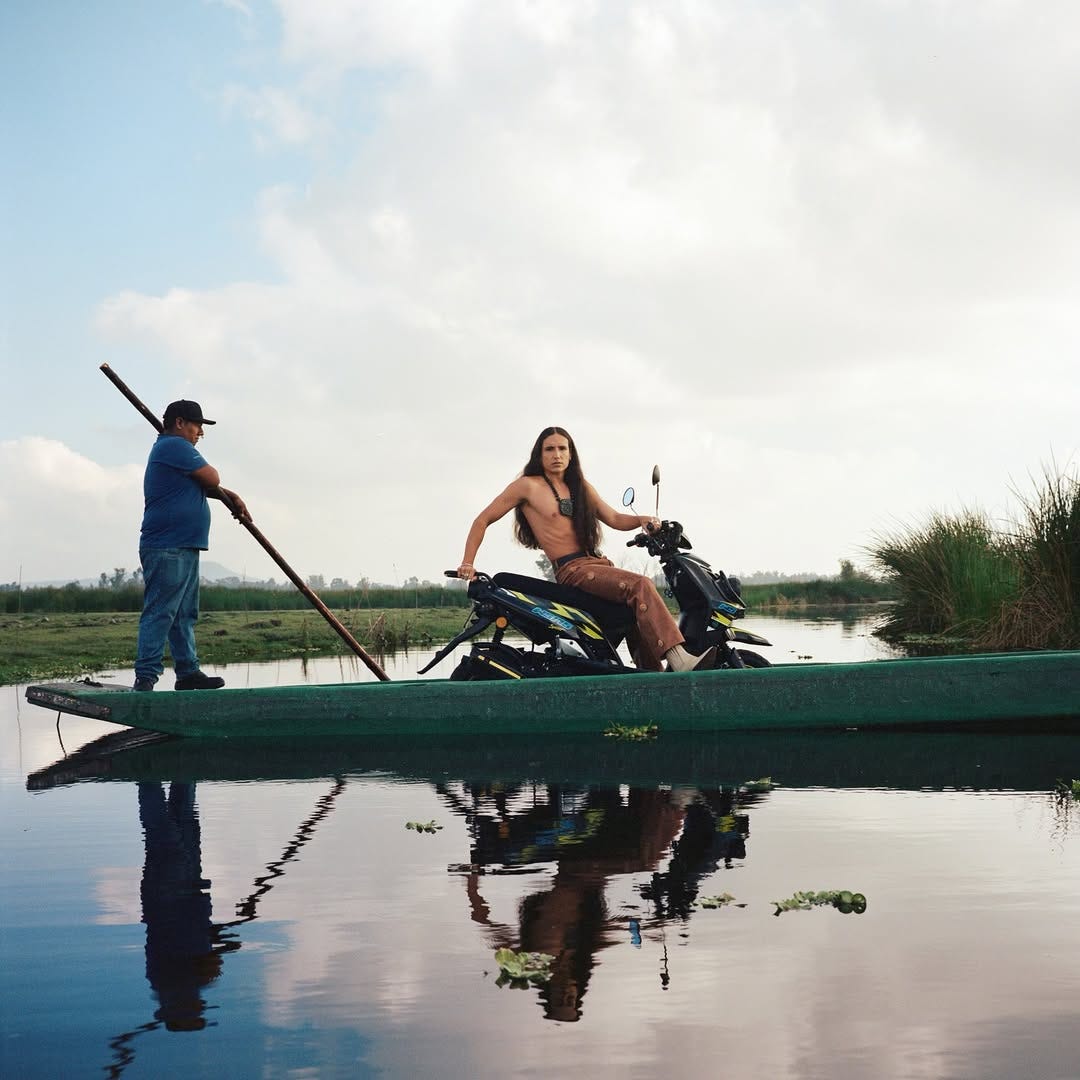
Image Xiuhtezcatl Instagram.
Xiuhtezcatl Roske-Martinez, also known as X, is an American environmental activist and hip hop artist I discovered through Instagram. His father raised him with an appreciation for the tradition of the Mexica, one of the historic Indigenous peoples of Mexico, today often grouped under the Nahua.
Last October, Xiuhtezcatl reached a wider audience when he joined Shawn Mendes at the Hollywood Bowl for a performance centred on Indigenous visibility and the #LANDBACK movement - a sign that his activism has gained mainstream footholds.
He also released his latest, third album TONATIUH, a trilingual work delivered in English, Spanish and Nahuatl. The album’s title comes from the Nahuatl word for “sun,” which is also his middle name. Xiuhtezcatl is globally known as an environmental activist but now uses music as his primary platform. For me, one of the strongest examples of decolonisation and using music culture as an expression form.

So yeah, these aren’t just isolated moments. From the Pantone backlash to red carpet activism, from Amsterdam stages to Italian TV, people are rejecting the idea that European aesthetics are the standard. They’re reclaiming maximalism, colour, embroidery, Indigenous languages, ancestral sounds - not as nostalgia, but as resistance against colonialism, and a celebration of erased cultures.
This counter-movement to capitalism’s beige sameness isn’t just cultural pride. It’s a statement about whose stories matter, whose beauty counts, which sounds are beautiful and who gets to decide.
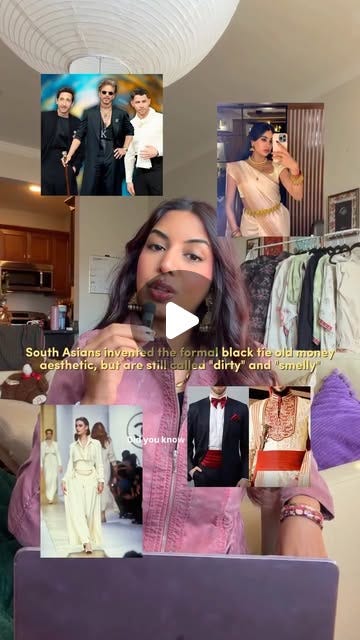
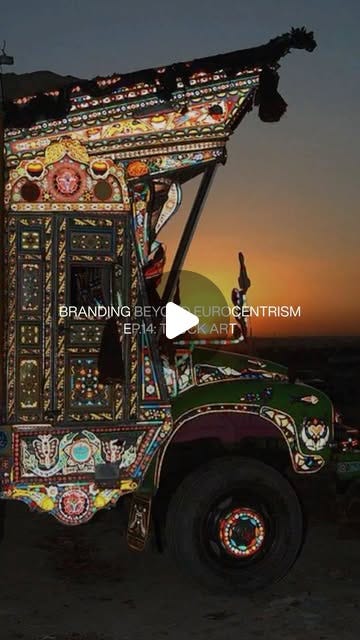
I’ll link some interesting videos below about the Pantone colour of the year, the beigeness of Eurocentric aesthetic, videos discussing cultural appropriation and how many ‘European’ aesthetics were actually stolen from other cultures, and a video showing branding beyond eurocentrism.
If you want to dive deeper into this signal and others, check out my full Cultural Signals report here. I’ve got more details on each signal plus additional examples.
See you in two weeks with the next signal!
PS A lot of research goes into creating these articles, so if you're happy to support me with a coffee, find my Buy Me a Coffee link here: buymeacoffee.com/marismosaique
PS an Substack I highly recommend reading about this topic is milk mouth by serehass, I especially loved her article about Home’s being to beige:

Love this and welcome back. It’s so good to pause on things that become far more meaningful when you actually take the time to see different perspectives.